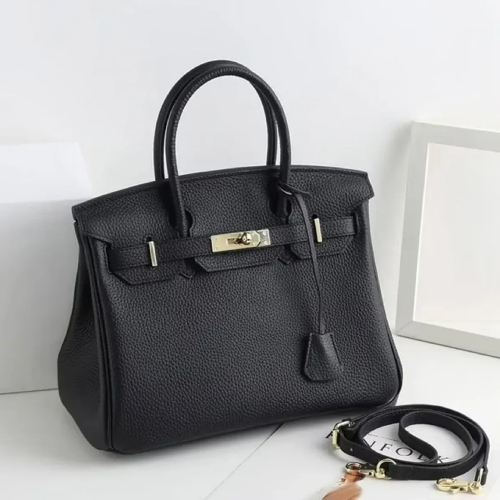
 Do you remember Walmart’s “Birkin,” affectionately nicknamed the Wirkin, born as an unintentional tribute to American creativity and a certain impatience with Hermès’ legendary waiting lists? Well, guess what: it’s back shinier than ever ready to parade alongside chrome pickup trucks and XXL burgers.
The Wirkin is basically the ultimate symbol of the American paradox in pure “Trumps-style”: They don’t like the Chinese… but oh boy, do they love Chinese counterfeits! A real patriotic-pragmatic dilemma: support local industry, or grab a $89.99 fake Birkin that looks legit from three meters away? The choice is obvious especially when you want to impress the in-laws at the Sunday barbecue.
On social media, the Wirkin has become a superstar. Videos are everywhere:
“Real or Fake?” people ask, as if this were a reality TV show sponsored by mainland China. Influencers even test the bags by banging them against SUVs, as if shock resistance were the first criterion of luxury. Bethenny Frankel turned herself into the official referee of real vs. fake, collecting hundreds of thousands of likes along with a few cold sweats among Hermès’ legal team.
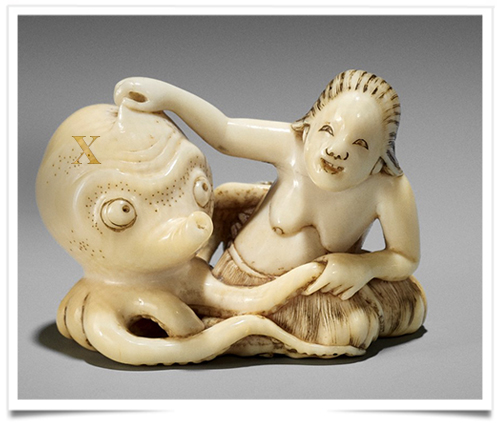 This generation born between 1965 and 1980 aka Generation X, who really earned their name by showing both their sex and their butts, the ones who “knew life before the Internet but answer emails faster than their kids” is now at the peak of its career and earning power… and yet luxury brands still treat them like an Ikea bookcase: practical, sturdy, but, you know, something to deal with later.
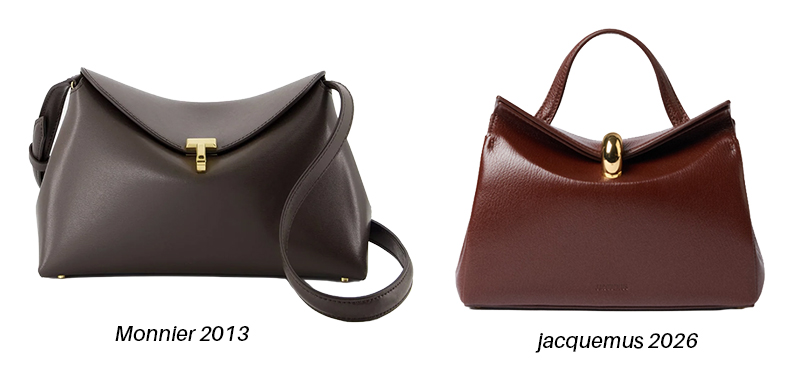 One might have thought that the eternal darling of concepts would eventually manage to surprise us with something other than déjà vu. But no he tirelessly falls back into the same habits, and his latest bag arrives with a strong sense of déjà vu, to say the least. It’s astonishingly similar to the bag created by Maison Monnier in 2013; same silhouette, same spirit.
 Failed Chanel Heist: Police Already Tracking Suspects… Teenagers With Dubious Taste. Chic panic hit Avenue Montaigne on Saturday morning: four individuals attempted to rob the Chanel boutique. Armed to the teeth rifles, an axe, and Yamaha TMax scooters repurposed as luxury battering rams, the rookie bandits charged the storefront as if they were filming Fast & Furious: Golden Triangle Edition.
 Hermès is adjusting the trajectory of its Fragrance and Beauty division by appointing Anne-Sarah Panhard as its new managing director. This move comes as the beauty segment considered a strategic driver of diversification and international expansion has shown a slight decline over the first nine months of the year.
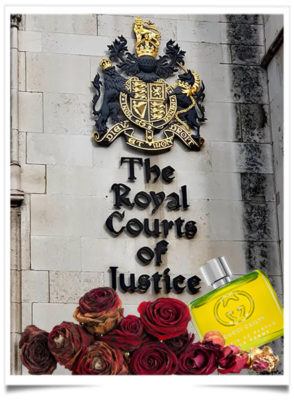 Tonight, no mercy, says the London Moon, ruthlessly wiping out all before vanishing leaving behind only a few last glimmers to shield humanity from the dark. For the battle of the perfumes is raging not over granny’s little bottles, but over great vaults that reek of roses and gold dust. HFC Prestige International, Coty’s Swiss arm, is baring its claws and dragging Gucci and Kering into court, over there in perfidious Albion.
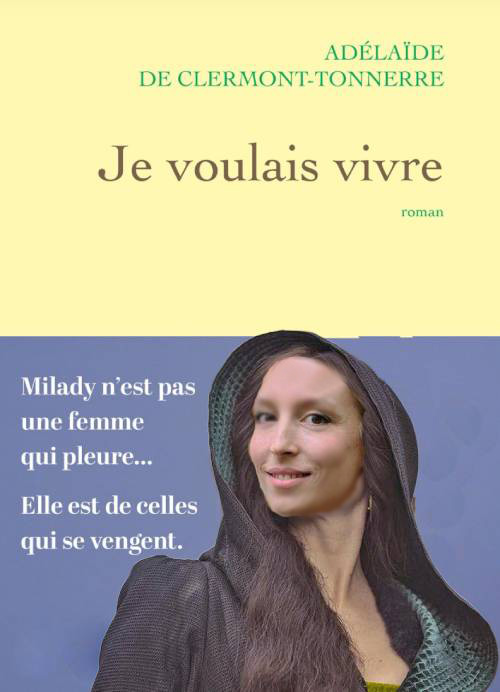 French literature does love its ghosts especially the ones that sell. After Dumas, resurrected by Sarkozy’s sentimental marketing stunt, Adélaïde de Clermont-Tonnerre now takes it upon herself to dig up Milady de Winter and dress her in modern clothes. The result, however, is clumsy and misguided. “Je voulais vivre” promises a bold reimagining, a fresh take on one of Dumas’s most intriguing characters, but delivers only a stiff, overwrought pastiche a novel corseted by ambition it can’t possibly sustain.
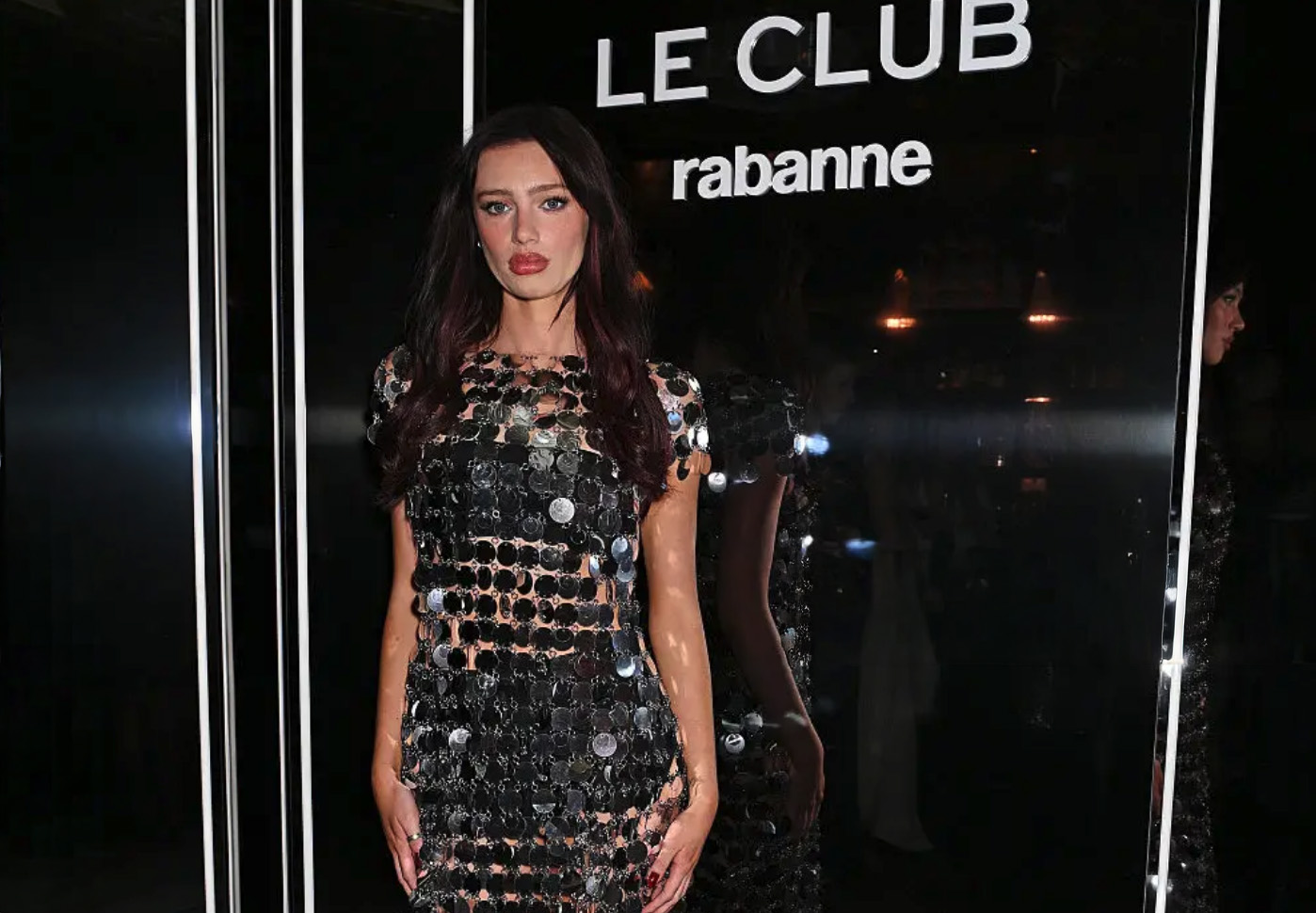 The collaboration between Net-a-Porter and Rabanne was celebrated in dazzling style in London, with a glittering party at the Scotch of St. James, the legendary venue of the Swinging Sixties. Transformed into the “Club Rabanne” for one night, the club welcomed celebrities and VIP clients dressed in pieces from the new capsule collection, inspired by the golden age of Miami nightlife — metallic dresses, zebra prints, and luminous silhouettes.
 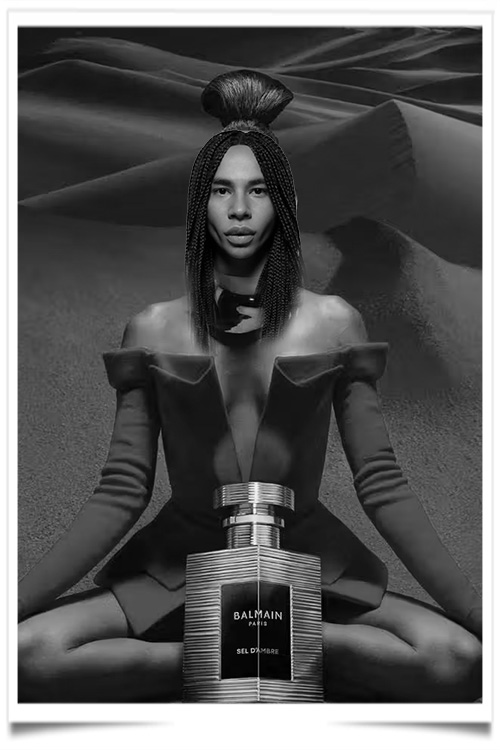 Here is the couture man the most destitute of Fashion Week and the most pathetic, armed with merely a month of study at Esmod. He is a one-man amateur lexicographer, crafting a couture born from a phlegmatic spit, slowly making its morbid descent to the ground and muttering back: “I am the black hole of the universe.” Hammering away at common sense with his needle, he stands at the very antipodes of today’s trends.
 This is a(Chronicle of a Small Earthquake in the Kingdom of Fashion). In the golden heavens of haute couture, where reigns the Almighty Lord of Luxury, a strange sound was heard: “Versace sold to Prada for $1.4 billion!”
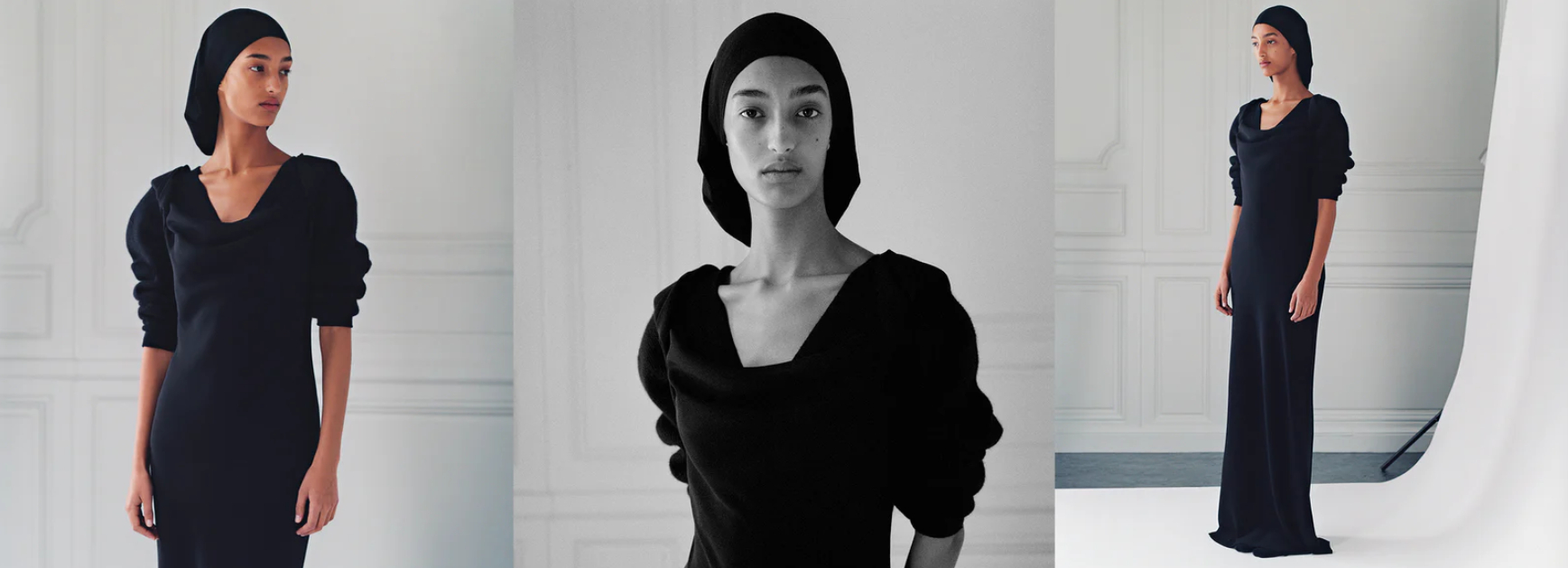 On Monday night, the gods of fashion gathered at New York’s Museum of Natural History where usually it’s the dinosaurs that steal the spotlight. This time, it was Ralph Lauren roaring: he took home the CFDA American Womenswear Designer of the Year Award. Ralph beat out Wes Gordon (Carolina Herrera), Rachel Scott (Diotima), Daniella Kallmeyer (Kallmeyer), and Tory Burch who’s probably starting to wonder if the jury has a personal vendetta against her.
 SHEIN is this ogre a clown? This smuggled Jonah lands on the asphalt of Châtelet, by the unexpected hiccup of a Great Trabucaire Collector, pounding out the drumbeat of slander and fashion. In short, at the BHV, fast fashion is turning into religion, and Paris lights a polyester candle. Because on November 5 at exactly 1 p.m., while some in the neighborhood will be lunching on lukewarm quinoa thinking about the end of the world, others will hurry to the BHV to witness an event of historic significance: the opening of the very first physical store in the world of the Chinese brand.
 Gen Z and Alpha… the ones who replaced the Britney Spears poster with a bottle of niacinamide serum and who no longer wear makeup to please, but to protest. Lipstick has become a political manifesto, and every hydrating mask a statement of intent. Welcome to the wonderful world of “purpose-driven beauty,” where we save the planet one sponsored story at a time.
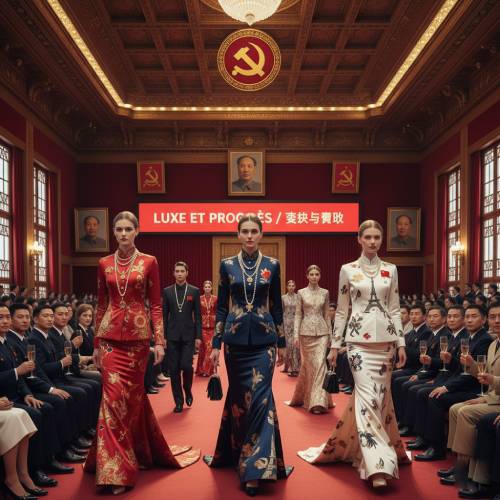 When the Chinese Communist Party Champions… Consumption. It’s an announcement that would make Karl Marx smile if he ever saw the price of a J’aDior handbag. On Tuesday, the Chinese government unveiled the broad outlines of its 15th Five-Year Plan, with one clear ambition: to boost household consumption. Yes, you read that correctly the Chinese Communist Party wants its citizens to shop more.
 We thought we had exhausted every form of charming ugliness the Funko Pops, or those Chucky dolls displayed like trophies of our sentimental age. And then, one morning, from a few workshops somewhere in East Asia, appeared the “Labubu”: little plush demons conceived by a certain Kasing Lung a poet with a scalpel, a taciturn genius who seems to have grown up inside a Grimm fairy tale censored by Freud.
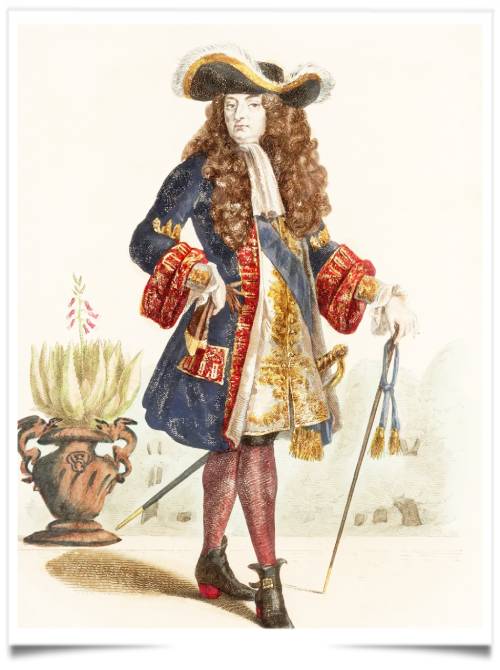 Under Louis XIV, the stocking (or long “sock,” but made of silk!) was not a mere accessory: it was a symbol of nobility and refinement, on par with the wig, the lace jabot, or the red heels. The stockings were made of fine silk, often imported from Italy or from Lyon, the great capital of French silk-making. They were sometimes knitted by hand, sometimes by machine, since the knitting machine (invented by William Lee at the end of the 16th century) had already begun to spread.
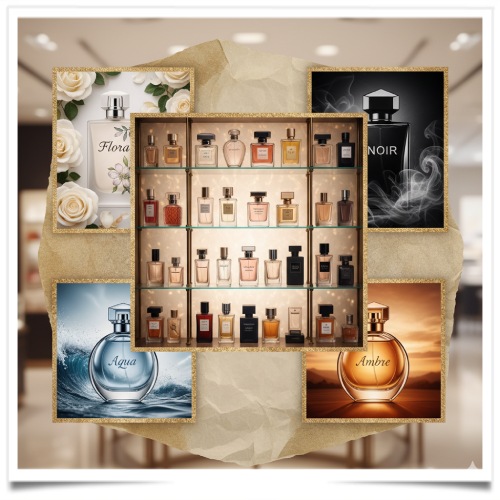 The creation, production, and distribution of perfumes follow an industrial model radically different from that of fashion or leather goods. It requires global logistical infrastructures, laboratories, a massive distribution network, and marketing capabilities suited to the luxury mass market. L’Oréal, the world leader in beauty, has mastered this model to perfection, whereas Kering—historically focused on fashion does not possess such executional strength. Selling or licensing to L’Oréal means relying on a more competent player to accelerate the growth of its brands.
 Chronicle of a breathless “Hyères” festival! Sun, subsidies, egos and forty years already that Villa Noailles has fancied itself the Mecca of creativity, a kind of sanctuary where fabric becomes concept and good taste drowns beneath meters of “conceptual” latex. This year’s motto was clear: “The show must go on” in other words, it doesn’t matter if the house is burning, as long as we can still strut across the ashes.
 The Giorgio Armani Group has a new Chief Executive Officer: Giuseppe Marsocci. He succeeds Giorgio Armani, who also served as Chairman of the group he founded fifty years ago.
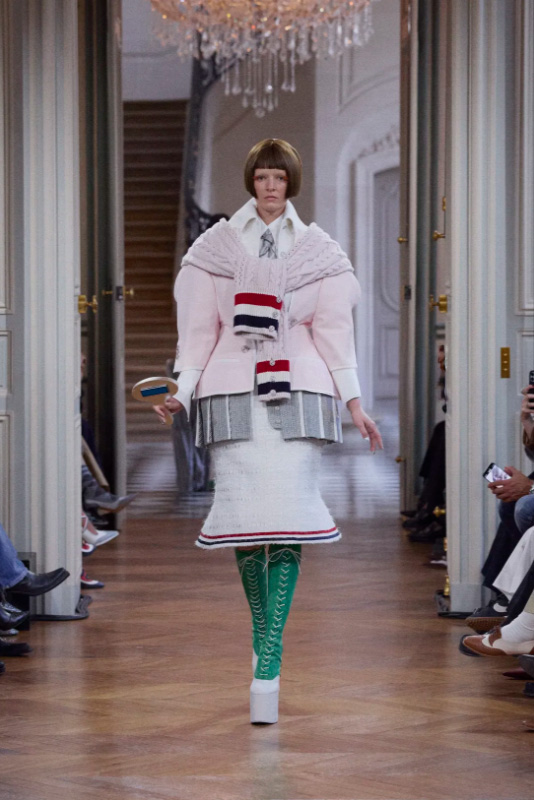 Thom Browne celebrates the tenth birthday of Hector, his handbag hound, and proves that canine fashion rhymes perfectly with “supermarket jewel.” Ten years already since a dachshund wrapped in luxury leather started turning heads and emptying wallets proof that we’re always betrayed by our “Dogs.” Back in 2016, it was a joke, a canine wink at vanity. In 2026, it’s become a symbol of loyalty that of the customers who keep barking with delight at every new version. A capital “I” for “Iconic” luxury and when I see dogs greeting each other by sniffing each other’s rear ends, one has to wonder if the designer wasn’t an expert on the matter.
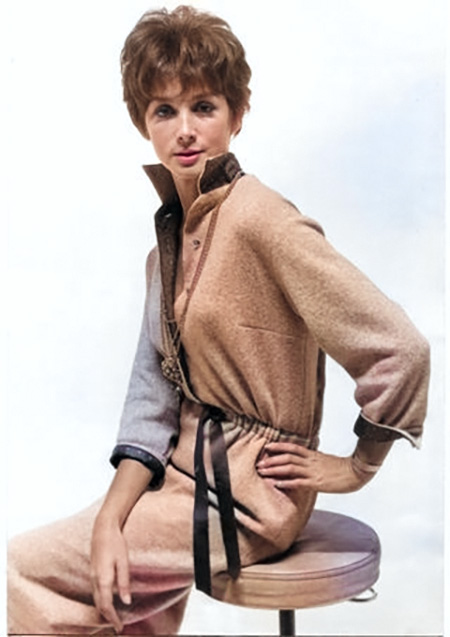 Her name was Gabriella Hanoka, but the fashion world would come to know her as Gaby Aghion. Born in Alexandria on a March morning in 1921, in the golden light of cosmopolitan Egypt, she already carried within her that blend of Eastern grace and French audacity that would one day revolutionize couture.
 It had to happen eventually: poor Paris, stuck in its traffic jams and strikes, now sees its great rival rising on the horizon Riyadh. Yes, Riyadh, where fashionistas arrive not in overcrowded Ubers, but in limousines and private jets with massaging seats and perfectly chilled air at 19°C, as palm trees politely applaud their arrival.
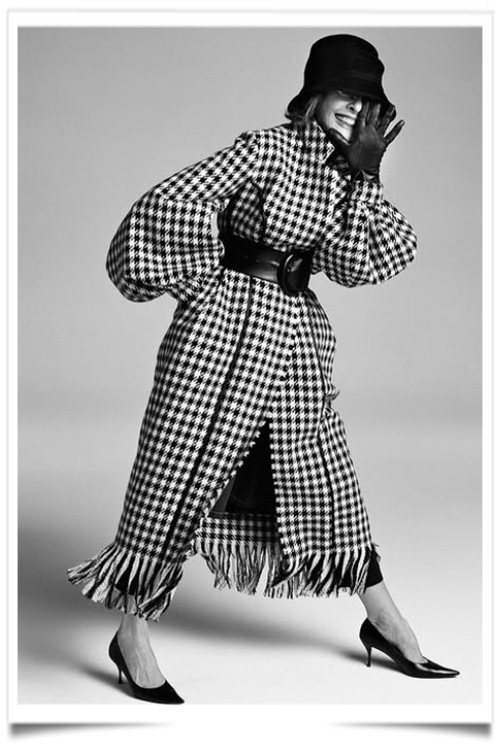 There are beings whose clothing becomes the reflection of their soul, and Diane Keaton was one of them. Each fabric she wore seemed to gather a fragment of her thought; each accessory, a tremor of her free spirit. It was a style all her own a wide-brimmed hat worn like a diadem of defiance, glasses that filtered the world’s light, vests or turtlenecks embracing the discreet grace of a woman’s neck, ties or scarves chosen not to seduce but to signify independence. Pleated trousers, as ample as a breath, harmonized with jackets sometimes tweed, sometimes velvet and in that blend of daring and restraint, she found her truth.