
MARC JACOBS LEAVES THE PALACE FOR THE BRAND FACTORY
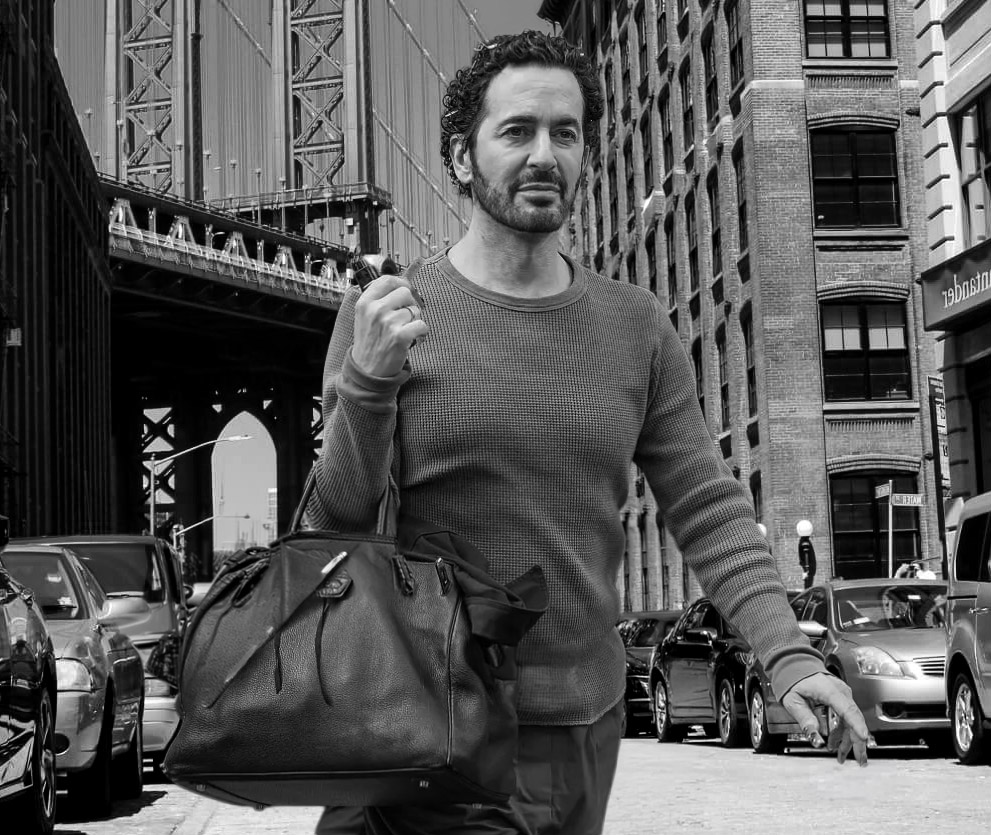 At LVMH, houses are rarely sold. After all, Bernard Arnault tends to collect brands the way others collect Flemish paintings or vineyards of questionable “nectar quality.” So seeing Marc Jacobs move to WHP Global for €1.4 billion feels less like a simple transaction and more like a grand spring cleaning of vicuña, that elusive Andean camelid.
The real irony is that Marc (as they say in fashion circles) remains the creative director. So the owner of the walls changes, but the artist stays in the studio he never quite visits, just to preserve a bit of DNA before the inevitable avalanche of licenses, capsules, “iconic” sneakers, and fragrances sold between airport escalators. Welcome to the global factory of emotional luxury.
When the house of Arnault acquired the brand in 1997, Marc Jacobs still embodied that nervous, unpredictable, slightly insolent New York fashion energy. Today, even rebels end up in Excel spreadsheets. Fashion loves to talk about creativity; it always ends up talking about valuation.
Ultimately, this sale also marks the end of a luxury generation the era of the star designers of the 1990s and 2000s, when creative directors were almost rock-like figures, capable of shaking an entire industry with a runway show or a silhouette. Marc Jacobs belongs to that electric era when fashion moved more by instinct than by algorithms. Today, that energy slowly dissolves into profitability charts and global brand strategies, where instinct has been quietly replaced by the stitch line of optimization.