
WHEN LUXURY DECIDES WHO GETS TO EXIST
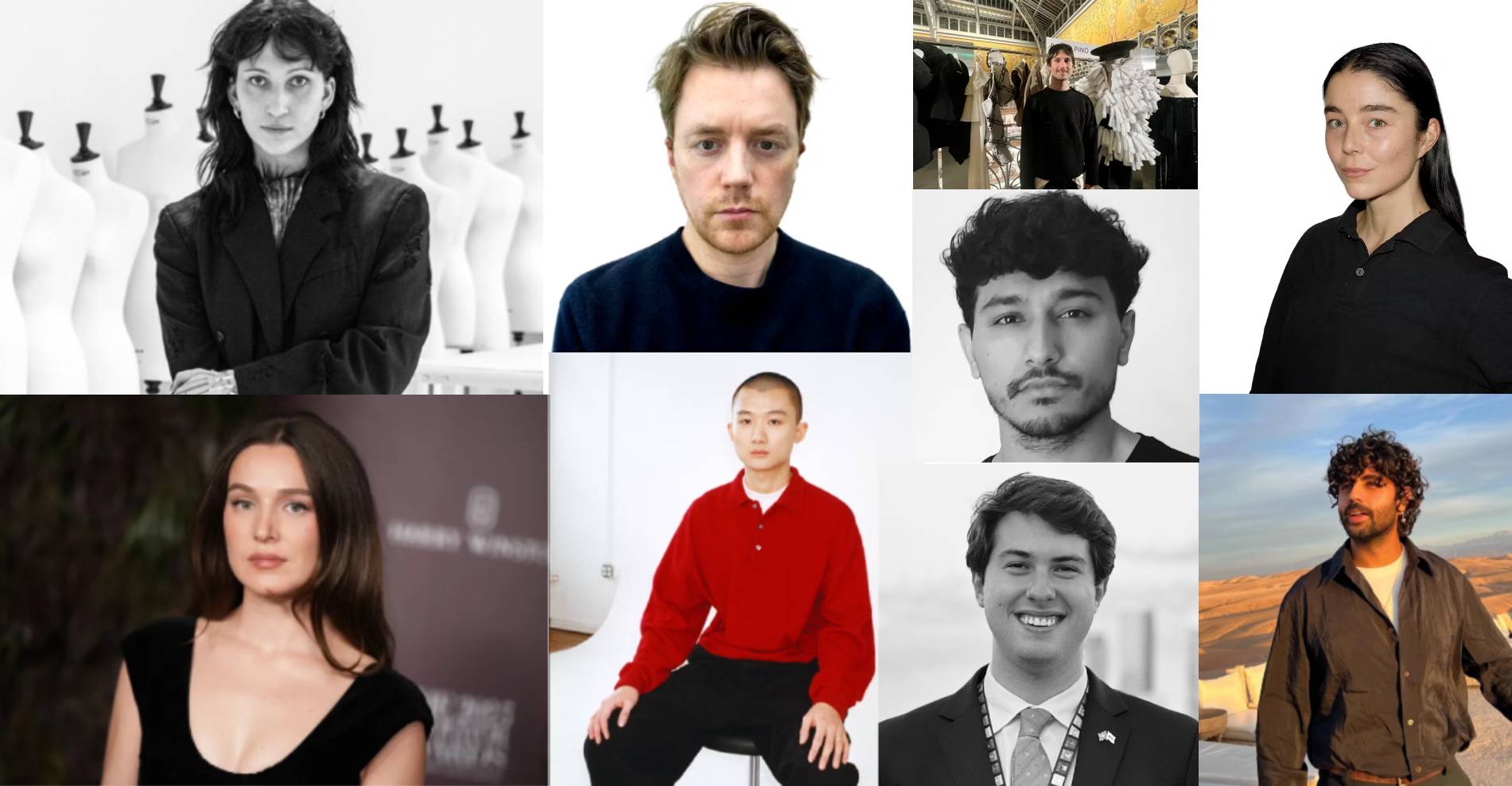
The LVMH Prize for Young Fashion Designers presents itself as a celebration of global talent. But look a little closer, and it begins to resemble a carefully locked display window rather than a truly open for emerging voices.
Nine finalists, from the United States, Europe, China, Kenya… A scattered, cosmopolitan geography, almost beyond reproach at first glance. And yet, a deafening silence: where are the French designers? In a competition held in Paris, at the very heart of what was once the global epicenter of creativity, France has become little more than a backdrop. A host territory, not a recognized breeding ground.
The final will take place at the Fondation Louis Vuitton, a spectacular showcase for luxury turned institution. But behind the staging lies a more troubling reality: that of a sector gradually being privatized. Because this prize, under the guise of supporting young talent, acts as a gateway into an already tightly controlled ecosystem.
Every finalist’s trajectory tells the same story. They have passed through the major houses, trained in the workshops of powerful groups, shaped by their codes, absorbed into their logic. Nothing escapes this web. Even before being rewarded, they already belong to the system. Independence is an elegant illusion.
And what of the jury? Seventeen members, many of whom orbit directly within the LVMH constellation or its close circles. Artistic directors, executives, established figures: a polished form of insularity, almost dynastic. Judgement here does not come from the outside. It validates, selects, co-opts. Like in a great family, where newcomers are welcomed only if they abide by unspoken rules.
This prize does not merely discover talent, it absorbs it. It does not reward rupture, it reinforces continuity. The promised support marketing, production, finance, communication sounds less like guidance than like management. A methodical integration into a fully controlled value chain.
What emerges is a landscape in which creation, far from being a free space, becomes an extension of corporate strategy. Luxury no longer simply produces and sells: it frames, selects, trains, and consecrates. It organizes its own renewal, within a closed circuit.
What is at stake here goes far beyond a competition. It is the gradual privatization of a collective imagination. Fashion, once a field of experimentation and singular voices, is being steadily absorbed by a handful of powers capable of defining its contours, its faces, and even its possible futures.
And in this perfectly orchestrated theater, one question lingers: what remains of creation when those who judge it are also those who own it?