LAUDER–PUIG: CHALLENGING THE LVMH–SEPHORA MODEL
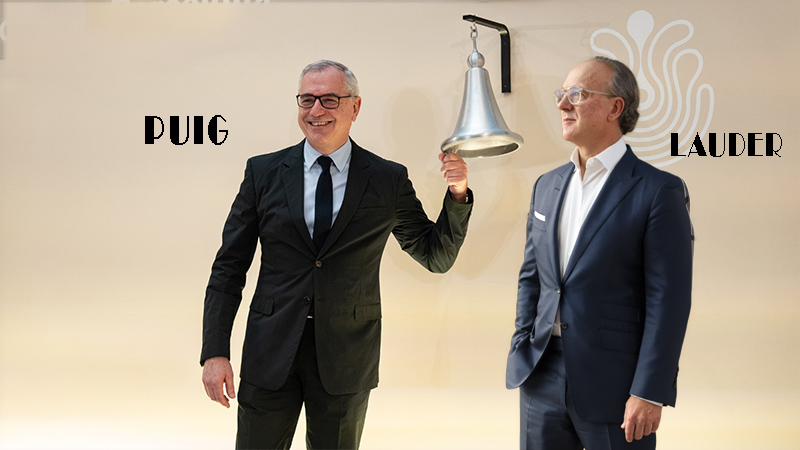
Estée Lauder and Puig have confirmed they are in merger talks, a project that could reshape the global beauty and fragrance industry.
This complementarity could create a powerful player in the premium beauty market, capable of combining skincare, makeup, and prestige fragrances under one umbrella.
Such a brand consolidation strategy is reminiscent of the one implemented in France by LVMH, a leader in selective distribution thanks to its Sephora network, which is now one of the major distribution channels for luxury beauty brands. The LVMH model demonstrates the strength of an integrated ecosystem combining brands, image, and distribution.
If it comes to fruition, the merger between Puig and Estée Lauder could thus be interpreted as an attempt to move closer to this logic of power and portfolio, which has become the key to global competition in the beauty industry.