 Parisian fashion possesses a curious talent for social metamorphosis. It often begins in a spirit of almost joyful insolence, a provocation that is vaguely sexual, vaguely artistic, and then, with time, it gently settles into the comfortable districts, where the trees are neatly trimmed and the dogs perfectly vaccinated.
Thus the experimental floozy of the years of noisy runway shows inevitably ends up becoming a very proper bourgeois lady of the 16th arrondissement.
The phenomenon can be observed around 1:15 p.m. on the terrace of Flandrin. There, in a calm that is almost administrative, gather certain former priestesses of avant-garde fashion. Today they wear beige cashmere jackets, slightly oversized glasses, and that serious expression adopted by women who have understood that scandal always ends up turning into heritage.
Twenty years earlier, those same silhouettes spoke of subversion, of desire, of breaking with the codes. Fashion was supposed to be a permanent insurrection against the bourgeois order. Today they order a sea bass carpaccio with a glass of Chablis and discuss the renovation of a house in the Luberon.
The transformation is not tragic. It even has something touching about it. Provocative energy turns into social capital, excesses become charming anecdotes, and the initial vulgarity evolves into a kind of slightly administrative elegance. The floozy becomes a loyal client, then a patron, and sometimes even a columnist.
One must grant the Parisian bourgeoisie a particular talent for absorbing whatever once claimed to fight it. It digests revolt extremely well. It serves it with a light sauce, accompanied by baby greens and a cultural discourse. In the end, fashion functions like a long social digestion. People shout very loudly for a few seasons, shock elderly gentlemen, scandalize the columnists, and then everyone ends up having lunch together in an elegant brasserie.
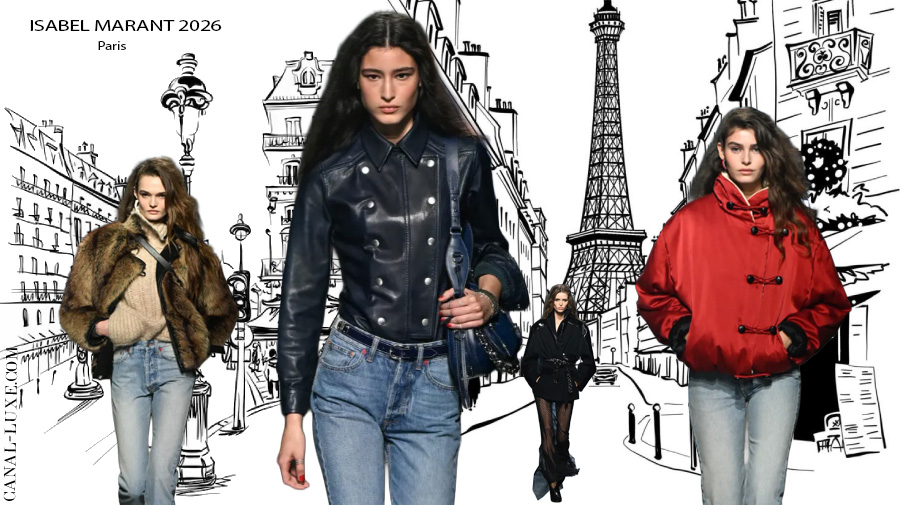
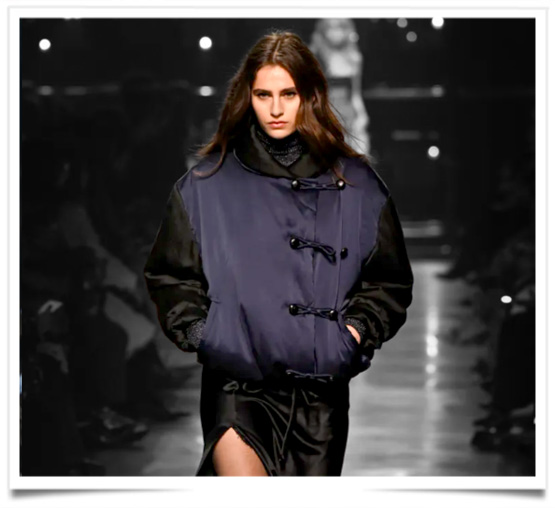
Isabel’s collection opens with bold silhouettes combining sheer tank tops and faded skinny jeans, before exploring a summery and energetic aesthetic with micro-shorts, leather coats, and structured denim jackets. Dresses in “blue cowhide,” striped knits, and quilted bombers bring lightness and movement, while long fur coats introduce a more theatrical dimension.
The ensemble then alternates between biker influences, casual pieces such as lace-up hoodies, and touches of elegance with lace dresses. The masculine silhouettes, with shiny shirts, fitted bombers, and black uniforms, evoke a nocturnal allure ready for the after-party.
And perhaps that, in the end, is the true Parisian couture. Not the dress, nor the scandal, nor even creative genius.
But the slow transformation of disorder into comfort.
FM