PHOEBE ENGLISH THE BOTANY OF BOREDOM
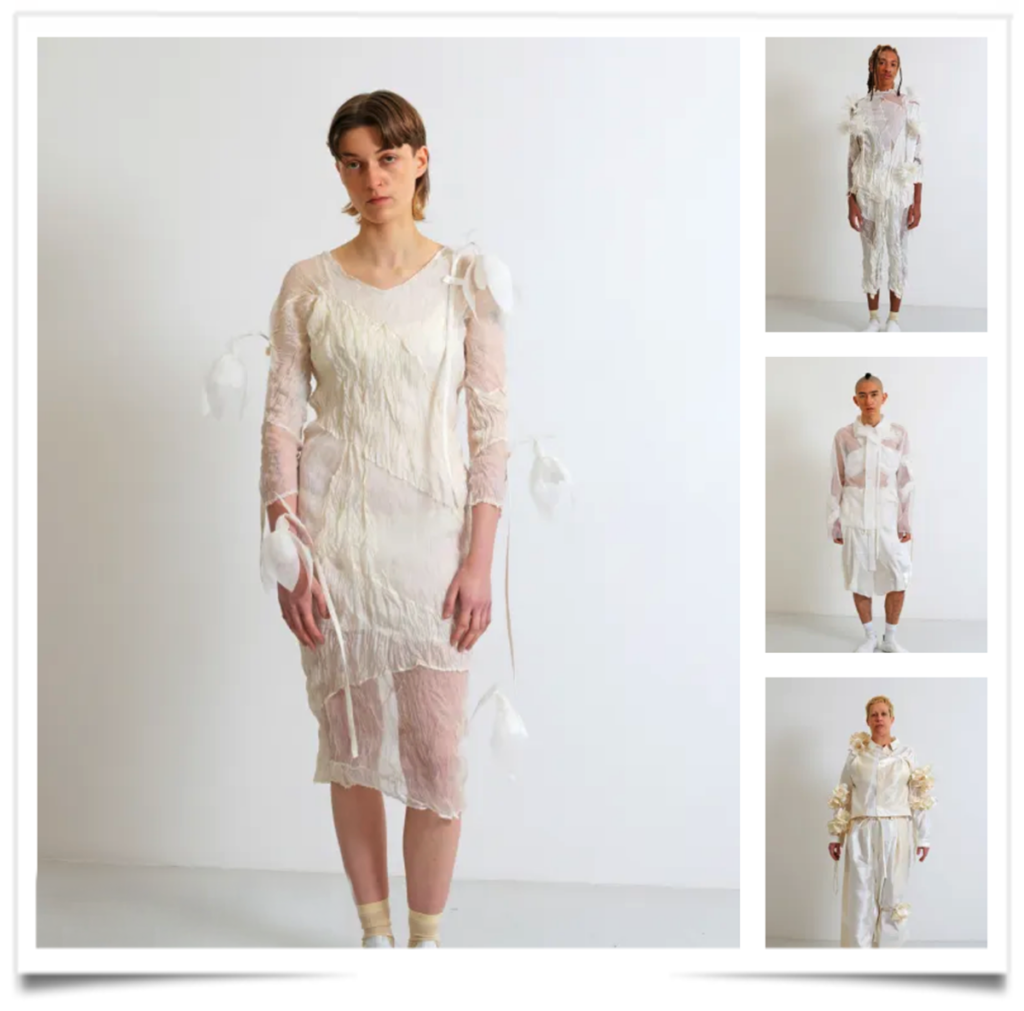
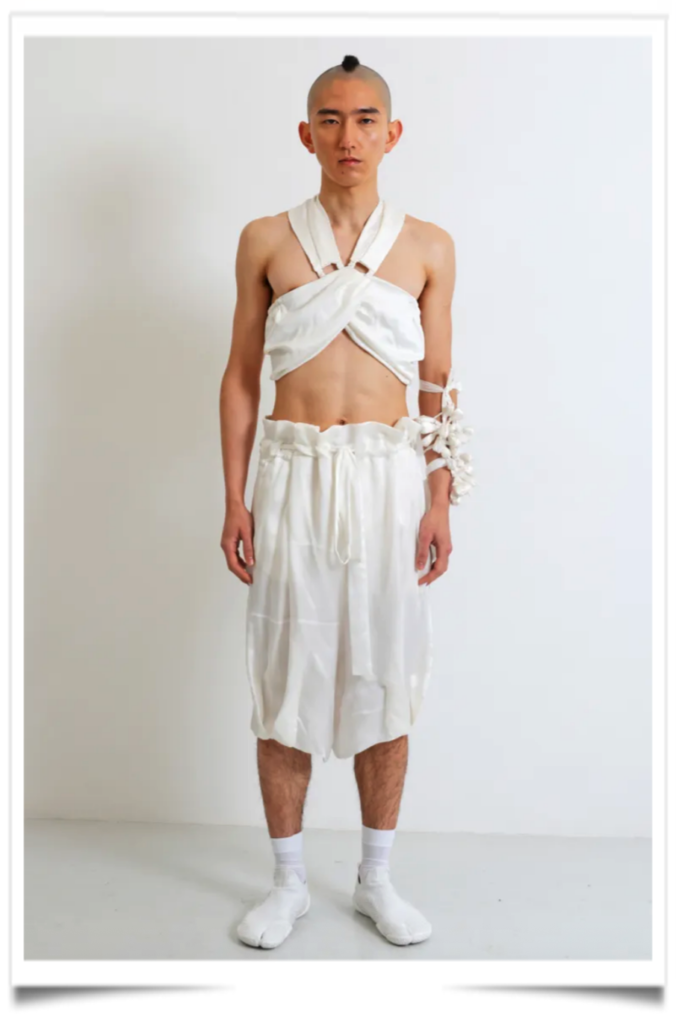 Each season, there is a collection that brutally reminds us why the great houses exist. This season in London, it was this one. Designer Phobe English, emancipated from a major atelier, delivered a collection she describes as “an illustration of the beauty of plants in full bloom” and “a bit of magic”. Illustration is indeed the right word. Fashion, much less so.
Botanical references have become a refuge for designers short of structural ideas. Talking about flowers is a way to avoid talking about cut. Evoking magic is a way to avoid discussing construction. Here, the discourse is luxuriant, but the clothes are meagre. No prints, decorative applications, silhouettes that seem lifted from a Pinterest moodboard rather than a couture workshop.
The phenomenon is sadly familiar: some designers confuse their talent with the power of the house that employs them. As long as they have dozens of pattern-makers, embroiderers and tailors, they sign collections. Once alone, they sign intentions.
This collection is an intention. Vaguely poetic, vaguely feminine, vaguely contemporary. But fashion does not thrive on vagueness. Everything here mimics the language of luxury without possessing its syntax. The volumes fall like badly hung curtains; the materials scream quick toile, first try.
This collection cruelly illustrates a truth the industry prefers to ignore: many careers rest on infrastructure, not on the author. When the infrastructure disappears, the author appears. And sometimes, that is not good news. Fashion Week is often a cruel theatre, and this collection was its moment of truth.
FM