
A JEWEL OF FRENCH HERITAGE AT A CROSSROADS
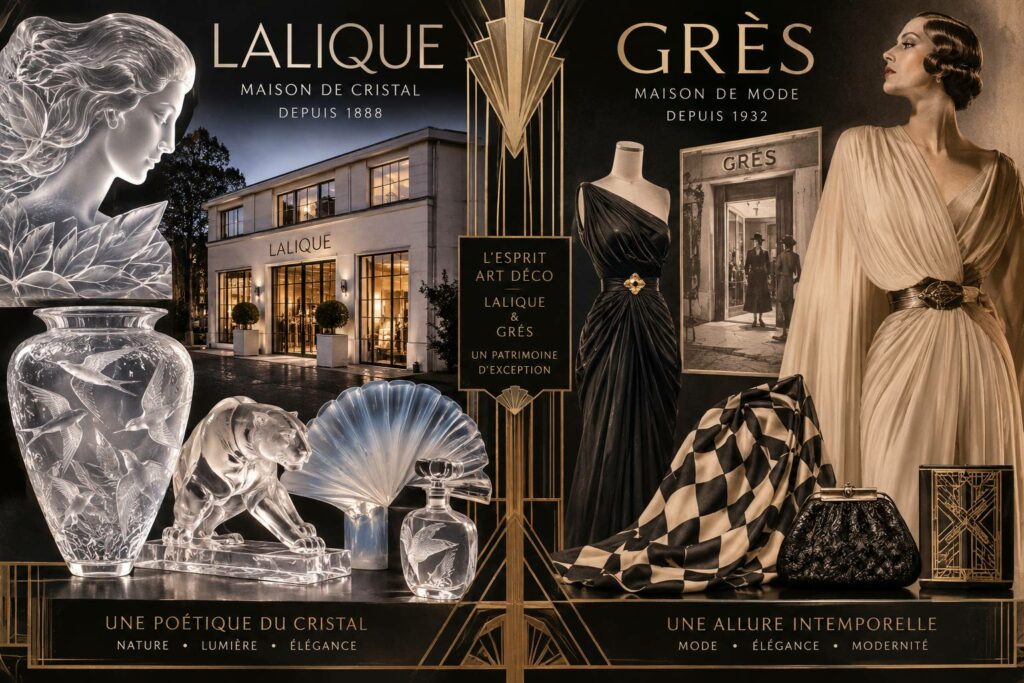
The renowned crystal manufacturer and perfumer Lalique, a symbol of French elegance and craftsmanship since its founding in 1888 by René Lalique, may soon change hands. Swiss businessman Silvio Denz, owner of the group, is reportedly considering selling Lalique Group SA, its historical archives, and other assets, including the prestigious perfume house Parfums Grès. At the age of 70, the entrepreneur acknowledges that he is preparing his succession and reviewing expressions of interest from investors, without officially confirming that the group is for sale. These developments raise numerous questions about the future of this iconic house, a true embodiment of the French art de vivre.
Behind the prestige of crystal creations and exquisite perfume bottles lies a more complex economic reality. Although Lalique remains an internationally recognized name in luxury, its French entity reported revenues of €52.7 million and financial debt of €68.1 million for the 2025 financial year. While these figures do not represent the entire Swiss group, they nevertheless raise questions about the financial implications of a potential change of ownership. Yet beyond balance sheets, Lalique’s true wealth also lies in its archives, historical creations, and exceptional craftsmanship—an extraordinary legacy of Art Nouveau and Art Deco whose potential dispersal would represent a considerable cultural loss.
The issue therefore extends far beyond a simple financial transaction: what future awaits this jewel of French heritage? Silvio Denz insists that he intends to preserve jobs, manufacturing facilities, and Lalique’s historical identity, particularly its longstanding presence in Wingen-sur-Moder, Alsace. Nevertheless, no buyer, asking price, or timetable for a sale has been officially announced. At a time when historic luxury houses are increasingly becoming coveted assets for international investors, Lalique’s uncertain future serves as a reminder of an essential truth: a brand may change ownership, but its history, creative genius, and heritage should never be reduced to mere market value.
FM